
 Materials & Cost
Metal Roof vs Shingles: Cost, Lifespan and Hail Resistance (2026)
Shingles cost less upfront and fit most budgets; metal lasts longer and shrugs off hail and high wind. Here is how to choose the right one for your home and climate.

 Licensed & Insured
NC #85568
By Patriots’ Roofing · Updated June 2026 · Materials & Cost
TL;DR: Asphalt shingles win on upfront cost and are the right call for most budgets, typically lasting 15 to 30 years. Metal roofing costs more to install, often two to three times as much, but it commonly lasts 40 to 70 years and holds up better against hail, high wind, and coastal weather. The best choice comes down to your budget, how long you plan to own the home, and your local climate. A free on-site estimate gives you real numbers for both.
Metal roof vs shingles: the honest comparison
There is no single winner in the metal roof vs shingles debate, because the two materials are good at different things. Asphalt shingles are affordable, widely available, easy to repair, and they look right on almost any home, which is why they cover the large majority of houses in the country. Metal costs more to put on, but it lasts roughly twice as long, sheds hail and wind better, and reflects heat instead of soaking it up. The smart way to decide is to weigh the upfront price against how many years you actually expect to get out of the roof.
We install both across West Texas, Eastern North Carolina, the Outer Banks, and coastal Louisiana, so our recommendation changes with the home and the weather it faces. A starter home you plan to sell in a few years and a coastal home you intend to keep for decades call for different answers. Below is the side-by-side so you can see exactly where each material pulls ahead.
Upfront cost vs lifetime cost
Cost is usually the first question, and the honest answer is that it varies with the size of the roof, its pitch, the number of layers being removed, and the exact product you choose. As a broad, industry-typical guide (not a quote), a quality asphalt shingle roof is the lower-cost option, while a metal roof commonly runs about two to three times more to install. Standing-seam metal sits at the top of that range; exposed-fastener panels and metal shingles cost less.
The picture flips when you stretch it over time. A shingle roof may need replacing once or twice during the same span a single metal roof keeps performing, so over forty or fifty years the lifetime cost of the two materials moves closer together. Metal also tends to carry lower maintenance and can reduce cooling bills. None of that erases the higher upfront check, which is why budget and how long you will own the home matter so much. For real figures on your specific roof, the only reliable number is a free, measured estimate; broad ranges online cannot account for your pitch, square footage, or material choice.
Side-by-side: metal vs asphalt shingles
Coverage of the trade-offs at a glance. “Better” depends on what you value, so read this against your own budget and climate rather than picking the column with the most checkmarks.
| Factor | Asphalt Shingles | Metal Roofing |
|---|---|---|
| Lower upfront cost | Yes | No |
| Typical lifespan | 15 to 30 years | 40 to 70 years |
| Stands up to large hail | No | Yes |
| High-wind and coastal performance | Good | Excellent |
| Class 4 impact rating available | Yes | Yes |
| Reflects heat (cool-roof options) | No | Yes |
| Simple, low-cost repairs | Yes | No |
| May lower insurance premiums | Sometimes | Often |
| Recyclable at end of life | No | Yes |
Lifespan: how long each roof really lasts
A well-installed architectural asphalt shingle roof generally lasts 15 to 30 years, with the longer end reached on roofs that get good attic ventilation, prompt repairs, and a climate that is not constantly battering them. Metal is the long-haul option. Standing-seam and quality metal panel systems commonly last 40 to 70 years, and many homeowners who choose metal never replace it again. That longevity is the core of the value argument for metal: you pay more once instead of less several times.
Hail and wind resistance
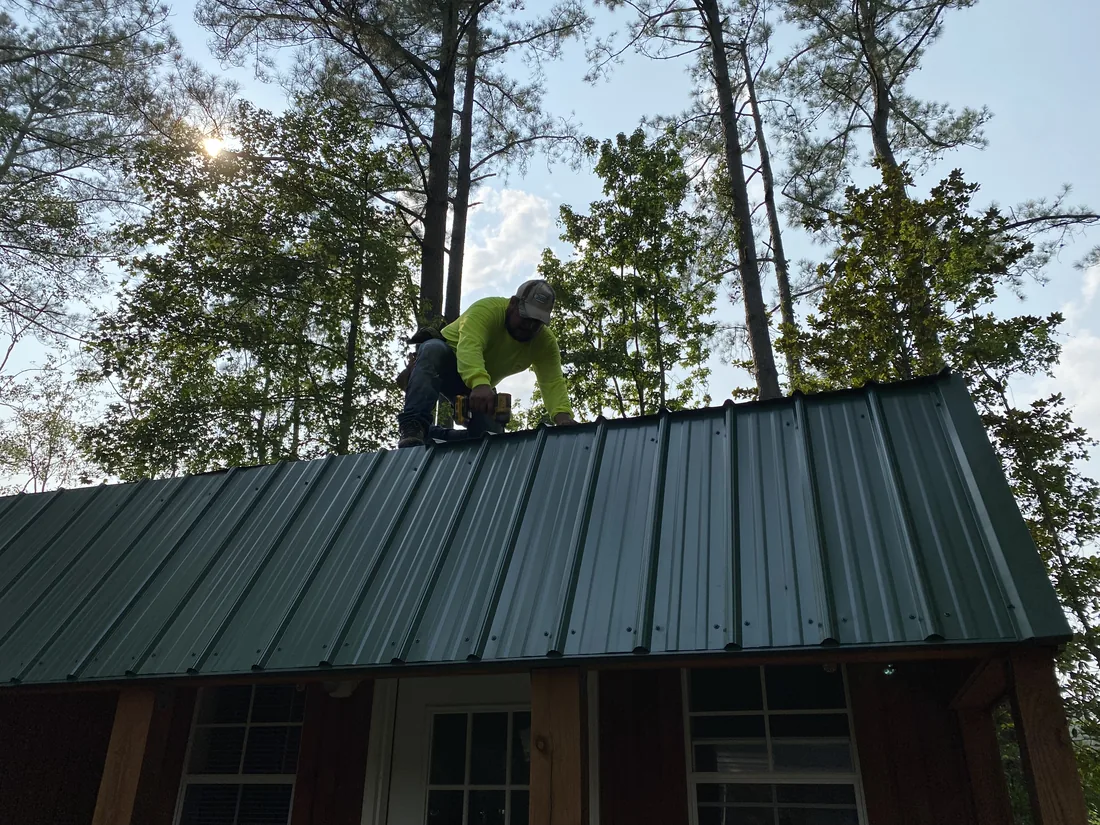
In storm country, impact and wind matter as much as price. Large hail can fracture the mat and strip the granules off standard shingles in a single storm, which is exactly the kind of damage we document on insurance claims every season. Metal absorbs hail far better; severe storms may leave cosmetic dents, but the panels keep doing their job and rarely fail the way a hail-struck shingle roof does. On wind, properly fastened metal and high-performance shingle systems both resist uplift well, though metal generally carries the edge in the worst gusts and on the coast where salt and wind never let up.
A few points worth knowing before you assume one is bulletproof:
- Both materials offer a Class 4 (the highest) impact rating; you have to ask for the impact-resistant product specifically.
- Hail damage to shingles is often invisible from the ground and still voids the roof’s weather protection.
- Metal can dent cosmetically in extreme hail without losing function, so “damaged” does not always mean “leaking.”
- Installation quality drives wind performance more than the material name on the box; fastening and edge detail decide the outcome.
- Coastal homes benefit most from metal’s salt and wind tolerance, which is why we recommend it often near the water.
Energy, insurance, and resale
Metal reflects solar heat instead of absorbing it, and cool-roof coatings push that further, so metal roofs can trim summer cooling costs in hot regions like West Texas. Shingles have improved with reflective and cool-rated options, but dark asphalt still runs hotter. On insurance, an impact-resistant or metal roof can earn a premium discount with many carriers, though the savings vary by company and state and are never guaranteed; we walk through that in our guide on whether does a metal roof lower insurance. On resale, both materials add value when new, and a fresh roof of either type removes a major buyer objection. A long-life metal roof can be a selling point because the next owner inherits decades of protection.
Which roof should you choose?
Choose asphalt shingles if upfront budget is the priority, you want the widest range of colors and styles, or you may not stay in the home for decades; modern architectural shingles are a genuinely strong, attractive value. Lean toward metal if you plan to keep the home long term, you live in a hail or hurricane zone or near the coast, or you want the lowest lifetime cost and maintenance. Many homeowners land in the middle and put metal on the parts of the roof that take the worst weather while keeping shingles elsewhere. Whichever way you lean, the next step is the same: a measured, no-pressure look at your roof so the comparison runs on your real numbers, not averages. Start with our roof replacement team and we will price both honestly.
Talk to a local roofing expert
Get real numbers for both metal and shingles on your exact roof, plus a straight recommendation based on your budget and climate. No cost, no pressure.
Get My Free Estimate → Or call us(844) 585-7663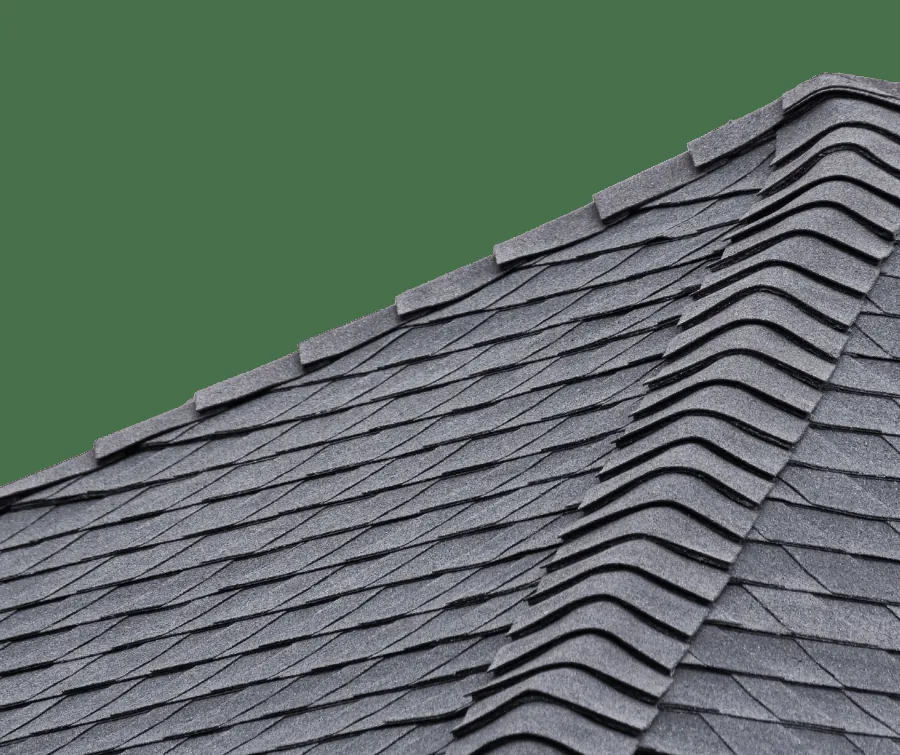
Frequently Asked Questions
Is a metal roof worth the extra cost over shingles?
It can be, depending on how long you will own the home. Metal commonly costs about two to three times more to install than asphalt shingles, but it lasts 40 to 70 years versus 15 to 30 for shingles. If you plan to stay for decades or live in a hail, hurricane, or coastal area, metal often wins on lifetime cost and durability. If budget is tight or you may move soon, quality shingles are an excellent value.
Which lasts longer, a metal roof or shingles?
Metal lasts longer. A well-installed standing-seam or quality metal panel roof commonly reaches 40 to 70 years, and many homeowners never replace it. A good architectural asphalt shingle roof generally lasts 15 to 30 years, with longevity helped by proper attic ventilation, prompt repairs, and a milder climate. Over a long ownership period, one metal roof can outlast two shingle roofs.
Is metal or shingle better for hail?
Metal handles hail better. Large hail can fracture and strip the granules off standard shingles in a single storm, ending their weather protection, while metal panels usually keep working even if severe hail leaves cosmetic dents. Both materials are available in a Class 4 (highest) impact rating, so ask for the impact-resistant product if hail is a regular concern in your area.
Does a metal roof lower homeowners insurance?
It can, but it is not guaranteed. Many carriers offer a discount for impact-resistant or metal roofs because they survive storms with fewer claims, though the amount varies by insurer and state. Always confirm the specific credit with your own carrier before counting on it. We cover the details in our guide on whether a metal roof lowers home insurance.
Can you put a metal roof over existing shingles?
Sometimes, but it depends on local code, the condition of the existing roof, and the structure. A metal roof over shingles can trap heat and hide underlying decking problems, so we generally recommend a clean tear-off so the deck, underlayment, and flashing can be inspected and done right. A free inspection tells you which approach fits your home.
Metal or Shingles? Get Real Numbers for Both.
Let a fifth-generation, family-owned crew measure your roof and price both options side by side, then recommend the right one for your budget and climate. One free, no-pressure estimate.