
 Storm & Seasonal
Hail Season in West Texas: When It Hits and How to Protect Your Roof
Spring supercells off the Caprock put Lubbock squarely in Hail Alley, so here is when West Texas hail season arrives and the practical steps that protect your roof.


 Licensed & Insured
NC #85568
By Patriots’ Roofing · Updated June 2026 · Storm & Seasonal
TL;DR: Hail season in West Texas runs from spring into early summer, roughly April through June, when supercell storms fire along the dryline off the Caprock. Lubbock sits inside Hail Alley, one of the most hail-prone corridors in the country. Protect your home with impact-resistant Class 4 shingles, which can qualify you for a Texas insurance premium discount, keep gutters clear and trees trimmed, and book a free, documented inspection after any storm.
When does hail season hit the South Plains?
Hail season in West Texas tracks the spring severe-weather pattern. Activity usually picks up in April, peaks through May and June, and can flare again in early fall when warm, moist air pushes back up onto the plains. The South Plains sees its worst hail when daytime heating, plenty of low-level moisture, and the dryline all line up, conditions that stack up most often in late spring and early summer afternoons and evenings.
The storms that drop large hail here are supercells: tall, rotating thunderstorms that ride the dryline as it sweeps east off the Caprock. A single supercell can carry stones from pea size to baseball size, and the bigger the updraft, the bigger the hail it can hold aloft before dropping it. That is why one neighborhood can get pelted while a street a mile away stays dry. Hail is local, sudden, and hard to predict, which is exactly why getting ahead of it matters.
Why Lubbock sits in Hail Alley
Lubbock and the surrounding South Plains fall inside what meteorologists call Hail Alley, the swath of the High Plains where Texas, Oklahoma, Kansas, Colorado, and Nebraska meet and produce more large hail than anywhere else in the country. Three things put West Texas in that bullseye. The high elevation of the Caprock means storms form closer to the freezing level, so hailstones melt less on the way down. The dryline, a sharp boundary between dry desert air to the west and humid Gulf air to the east, parks over the region in spring and acts as a launch pad for supercells. And the wide-open, flat terrain lets those storms grow tall and organized with nothing to break them up.
Put together, that geography means a Lubbock roof is not a question of if it sees hail, but how often and how hard. Roofs here age faster than the same shingle would in a milder climate, and a roof that shrugged off one storm can be compromised by the next. Planning for hail is simply part of owning a home on the South Plains.
How to protect your roof before the next storm
You cannot stop hail, but you can make your roof far more likely to survive it and far easier to get covered if it does take a hit. A few moves before the heart of the season pay off.
- Upgrade to impact-resistant Class 4 shingles. Rated under UL 2218, Class 4 shingles are the toughest grade against impact and the single biggest step you can take in a hail-prone market like ours.
- Ask about the Texas insurance discount. Many Texas carriers offer a homeowners premium discount for a Class 4 roof, so the upgrade can pay you back over time. Check with your agent for your specific policy.
- Keep gutters and downspouts clear. Clogged gutters trap water and let storm debris back up under the edge of the roof, compounding any hail or wind damage.
- Trim overhanging limbs. Branches that whip in straight-line winds gouge shingles and drop limbs through the deck. Tree damage rides in on the same storms that bring hail.
- Document the roof now. Dated photos of a sound roof before the season give you a clean before-and-after if you ever need to show a carrier what a storm changed.
Impact-resistant shingles and the Texas insurance discount
An impact-resistant shingle earns a Class 4 rating by surviving the UL 2218 test, where a two-inch steel ball is dropped on the same spot twice with no crack in the mat. They use a tougher, more flexible asphalt and often a reinforced backing, so a hailstone that would bruise a standard shingle bounces off with cosmetic marking at most. As a GAF Master Elite and President’s Club contractor, we install GAF impact-resistant shingles that carry the Class 4 rating while still qualifying for the 50-year Golden Pledge warranty.
The financial side is real, too. The Texas Department of Insurance lets carriers offer premium credits for impact-resistant roofs, and many do. We will not quote you a number, because the discount depends on your insurer and policy, but it is worth asking your agent before you replace a roof anyway. Here is how the two grades stack up.
| Feature | Standard shingle | Class 4 impact-resistant |
|---|---|---|
| UL 2218 Class 4 rated | No | Yes |
| Resists bruising from common hail | No | Yes |
| May qualify for a Texas premium discount | No | Yes |
| Eligible for the GAF Golden Pledge | Yes | Yes |
| Built for a Hail Alley climate | No | Yes |
What to do after a hailstorm
If a storm rolls through, act while the evidence is fresh. Hail damage is usually invisible from the driveway, so do not assume a quiet-looking roof came through clean. Follow these steps in order.
- Note the date and storm. Write down when the hail hit. Carriers tie a claim to a specific storm date, so this small detail matters later.
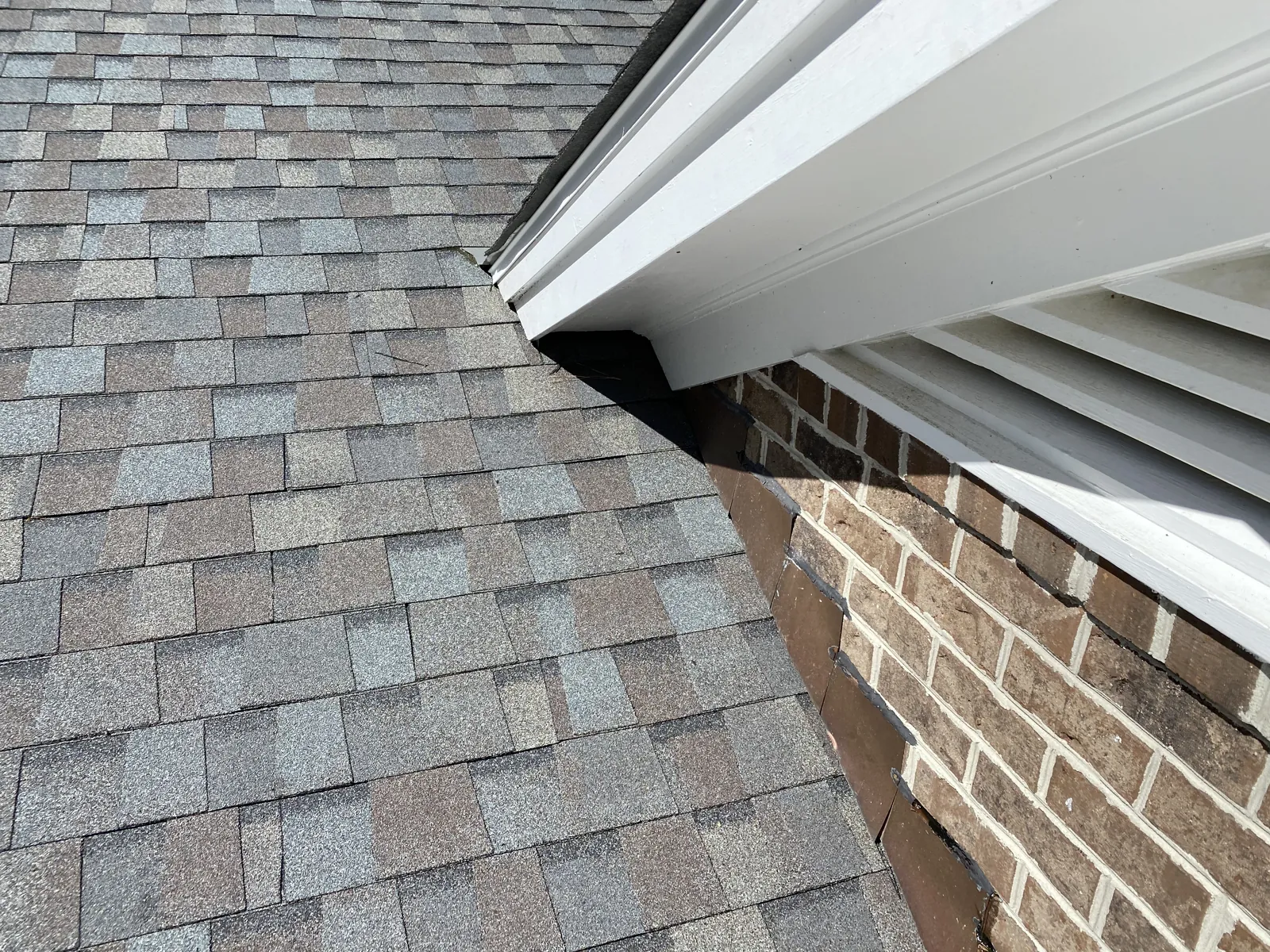
- Check from the ground. Look for dented gutters and downspouts, dinged vents and flashing, splatter marks on the deck or fence, and granules washed out at the downspouts.
- Photograph what you can see safely. Snap dated pictures of any obvious damage from the ground. Stay off the roof; wet or hail-pocked shingles are slick.
- Book a free, documented inspection. A roofer walks every slope, chalks and photographs each impact, and tells you plainly whether the damage is real and claimable.
- File promptly if the damage is real. Most policies expect you to report a loss within a set window, so do not let a damaged roof sit through the next storm.
Why a documented inspection is the deciding step
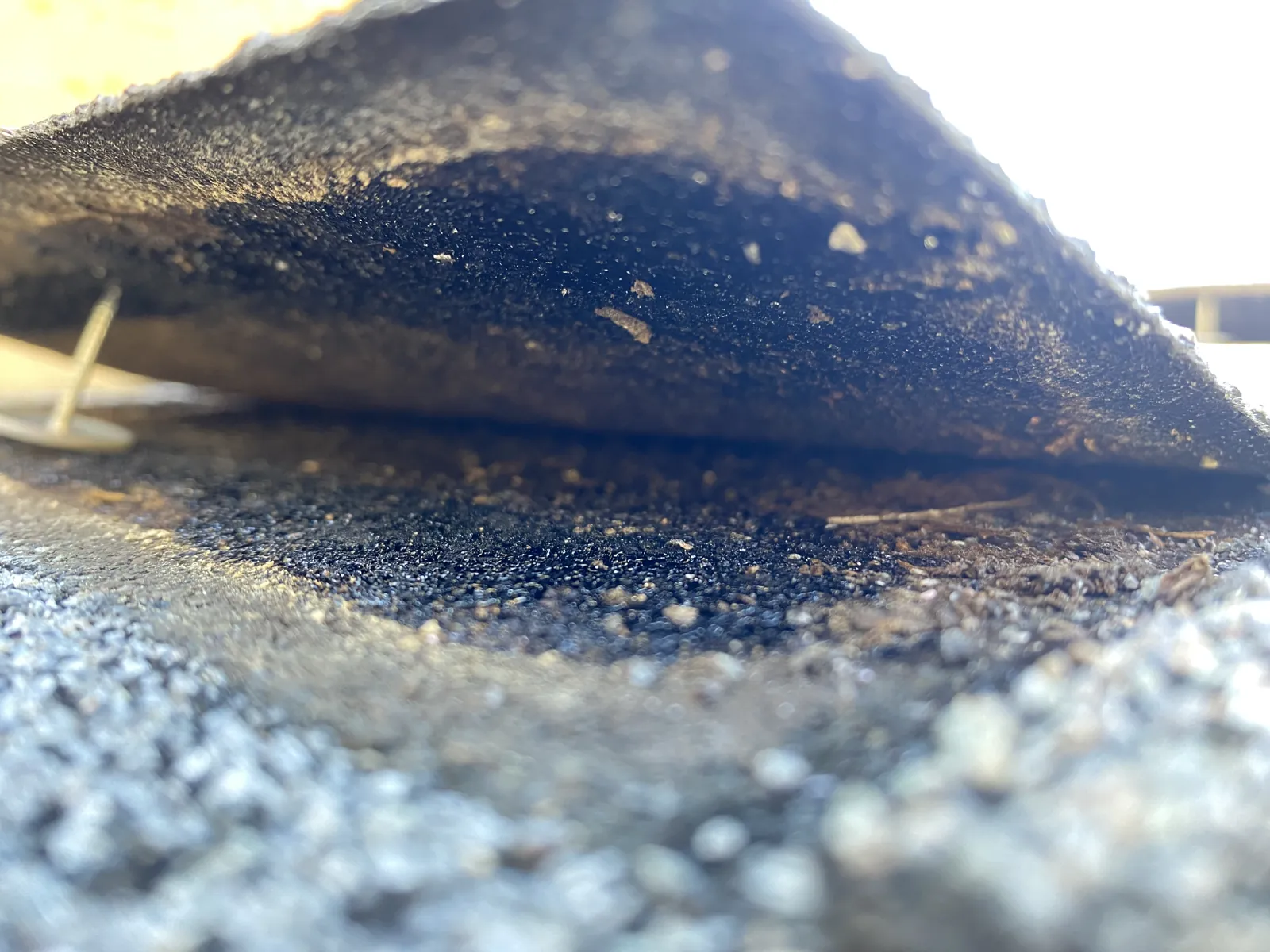
Most hail damage hides on the upward-facing slopes as bruising, granule loss, and a fractured mat that gives no clue until it starts leaking. A walk around the yard tells you a storm was bad; only a roof-level inspection tells you whether your roof is sound. Our inspections are free, and we give you a straight answer either way, because not every loud storm is a claim and there is no point paying a deductible for a roof that does not need work. When the damage is real, we document it slope by slope and walk you through hail and insurance claims in Lubbock from the first call to the final inspection. Not sure where to start? Book a free roof inspection and we will read the roof for you, or learn how to tell if your roof has hail damage before we get there.
Talk to a local roofing expert
Hail season catches a lot of West Texas homeowners off guard. Talk to a local, fifth-generation crew about an impact-resistant roof or a free post-storm inspection, with no pressure and no cost.
Get My Free Estimate →Or call us(844) 585-7663Frequently Asked Questions
When is hail season in West Texas?
Hail season on the South Plains generally runs from spring into early summer, roughly April through June, with a smaller risk window again in early fall. The peak comes in late spring and early summer afternoons and evenings, when daytime heating, low-level moisture, and the dryline combine to fire the supercell storms that drop large hail across the Lubbock area.
Is Lubbock really in Hail Alley?
Yes. Lubbock and the surrounding High Plains sit inside Hail Alley, the region where Texas, Oklahoma, Kansas, Colorado, and Nebraska meet and produce more large hail than anywhere else in the country. The Caprock’s high elevation, the spring dryline, and the wide flat terrain all help supercells grow and drop hail, which is why roofs here take more impacts than roofs in milder climates.
Do impact-resistant shingles lower my insurance in Texas?
They often can. The Texas Department of Insurance lets carriers offer a homeowners premium discount for a Class 4 impact-resistant roof, and many do, though the exact credit depends on your insurer and policy. We do not quote a specific number, but it is worth asking your agent before any roof replacement, since the upgrade can pay you back over time in a hail-prone market like West Texas.
What should I do right after a hailstorm?
Write down the storm date, check the ground level for dented gutters, dinged metal, splatter marks, and washed-out granules, and photograph anything obvious from a safe spot. Stay off the wet roof. Then book a free, documented inspection so a roofer can walk every slope and tell you whether the damage is real and claimable. If it is, file promptly, because most policies require you to report a loss within a set window.
How do I know if hail actually damaged my roof?
You usually cannot tell from the ground, because hail damage shows up as bruising, granule loss, and a fractured mat on the upward-facing slopes. Ground clues like dented gutters and metal confirm a storm hit hard, but only a roof-level inspection confirms whether your roof is compromised. A free, documented inspection gives you a definite answer, whether the news is a real claim or a sound roof.
Get Ahead of Hail Season
Whether you want an impact-resistant roof before the storms hit or a documented inspection after one already did, our fifth-generation, family-owned crew gives you a straight answer at no cost.