
 FORTIFIED & Grants
What Is a FORTIFIED Roof? The IBHS Standard Explained
A FORTIFIED roof is a roof built to a stronger, independently verified standard from the Insurance Institute for Business & Home Safety, and here is exactly what it adds and why it matters on the coast.
 Licensed & Insured
NC #85568
By Patriots’ Roofing · Updated June 2026 · FORTIFIED & Grants
TL;DR: A FORTIFIED roof is a roof built to a hurricane-tested standard from the Insurance Institute for Business & Home Safety (IBHS). It adds a sealed roof deck, ring-shank nailing, locked-down edges, and better-attached shingles, then an independent evaluator verifies the work and issues an official designation. It comes in three levels (Roof, Silver, Gold), can help lower wind insurance premiums, and NC and LA grants help pay for it.
What is a FORTIFIED roof?
A FORTIFIED roof is a roof built to the FORTIFIED standard developed by the Insurance Institute for Business & Home Safety (IBHS), a research body funded by the insurance industry. The IBHS literally builds full-scale houses and blasts them with hurricane-force wind and rain in a test chamber, then writes the standard around what actually survives. So when people ask “what is a FORTIFIED roof,” the short answer is: it is a roof engineered and documented to stay on the house in a major storm, not just a roof that looks new.
The key difference from a standard reroof is verification. A normal roof is finished when the crew packs up. A FORTIFIED roof is finished when an independent, IBHS-trained evaluator reviews the photos and documentation and issues an official FORTIFIED designation. That paperwork is what insurers and grant programs recognize, which is why the details have to be done right and recorded along the way. You can see the full picture on our FORTIFIED roofing overview.
What a FORTIFIED roof adds
A FORTIFIED roof is not a brand of shingle. It is a set of construction upgrades layered onto a quality roof system. Here is what the FORTIFIED Roof standard actually requires:
- A sealed roof deck. The seams of the plywood or OSB decking are taped or covered with a fully adhered underlayment, so if shingles are torn off in a storm, wind-driven rain still cannot pour into the attic.
- Ring-shank nailing. The deck is fastened with corrosion-resistant ring-shank nails on a tighter pattern, which hold dramatically better than smooth shank nails when the wind tries to peel the deck off the rafters.
- Reinforced, locked-down edges. Drip edge and the perimeter are fastened on a stricter schedule, because roof failures almost always start at an unsealed edge or corner.
- Better-attached shingles. Shingles are installed to the manufacturer’s high-wind specification, with the correct number of nails placed in the right spot so they resist uplift.
- Independent verification. An IBHS-trained evaluator confirms every step from documentation and issues the official FORTIFIED Roof designation that insurers and grant programs accept.
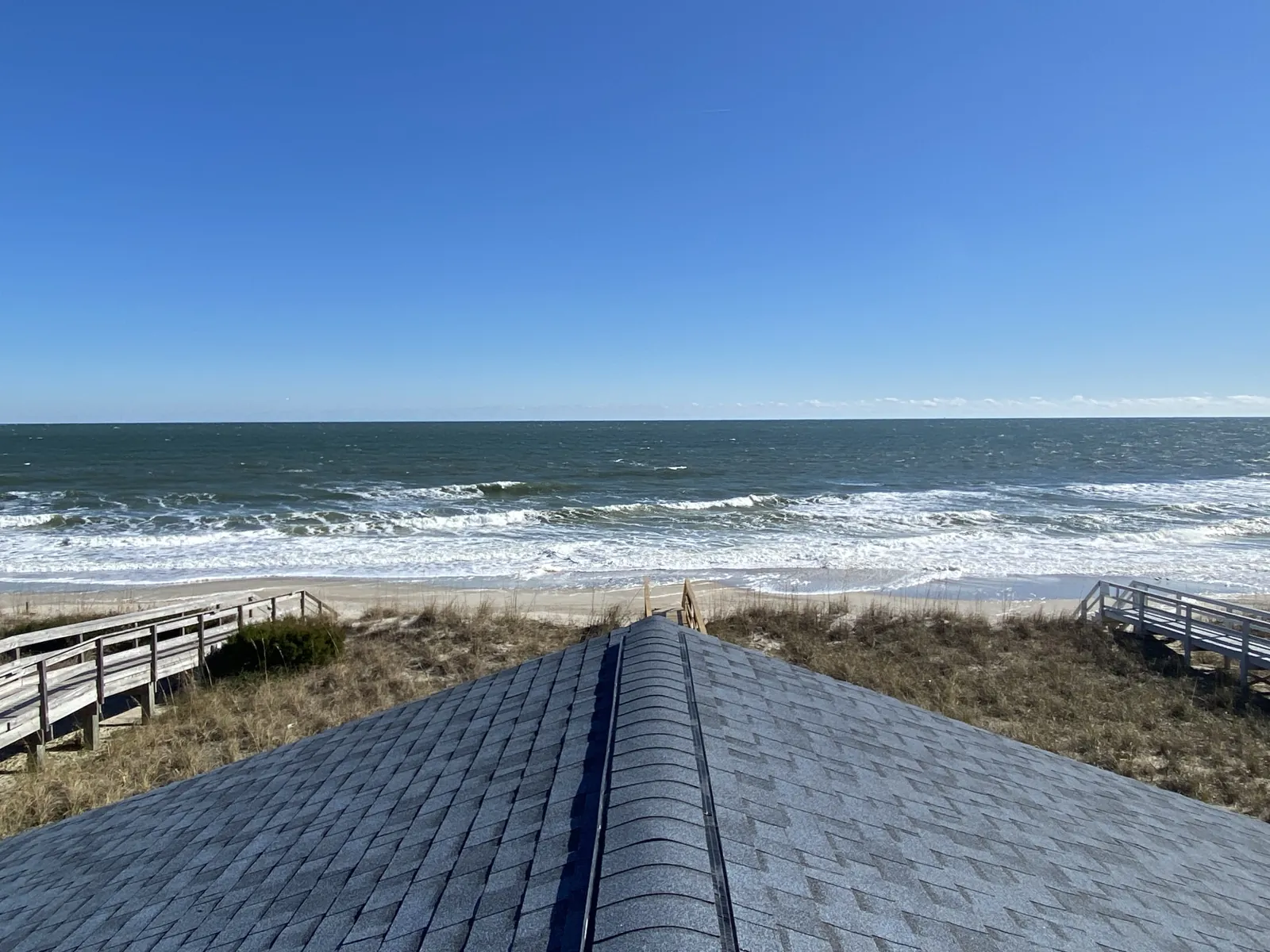
The three FORTIFIED levels: Roof, Silver, Gold
FORTIFIED comes in three designations that build on one another. Most reroof customers are pursuing the first level, FORTIFIED Roof, which is also the level the grant programs reward. The higher levels add protection beyond the roof system itself.
| FORTIFIED Roof | FORTIFIED Silver | FORTIFIED Gold | |
|---|---|---|---|
| Focus | The roof system | Roof plus attached structures | Whole-home load path |
| What it adds | Sealed deck, ring-shank nails, locked edges | Stronger gable ends, soffits, chimneys, and opening protection | Engineered connections tying roof to walls to foundation |
| Best for | Most reroofs and grant applicants | Existing homes wanting more wind protection | New builds and major renovations |
For a deeper side-by-side on what each tier requires and which one fits your home, read our breakdown of FORTIFIED Roof vs Silver vs Gold. For a coastal reroof, FORTIFIED Roof is almost always the right starting point.
Talk to a local FORTIFIED expert
Want to know whether a FORTIFIED roof makes sense for your home, and whether a grant can help pay for it? A quick call with a certified FORTIFIED contractor sorts it out fast, and the inspection is free.
Get My Free Estimate → Or call us(844) 585-7663Why a FORTIFIED roof matters for coastal wind
On the coast, the threat is not just the storm, it is what happens after the first shingles lift. Once wind gets under an edge or peels back the deck, the roof can unzip and rain pours into the house, which is where most hurricane damage and most insurance losses actually come from. FORTIFIED is engineered to interrupt that chain: the sealed deck keeps water out even if the surface is damaged, and the locked-down edges and ring-shank nails make it far harder for the wind to get started in the first place.
That is why this standard has taken hold across Eastern North Carolina, the Outer Banks, and the Louisiana coast. It is built specifically for the wind-driven rain and uplift that batter coastal homes, and it gives homeowners a documented, independently verified roof rather than a promise. We build these roofs every week along the coast, and the difference shows up exactly when it counts.
Insurance premiums and grants that help pay for it
A FORTIFIED roof is recognized by insurers because the IBHS designation is hard data, not marketing. Many wind and homeowners policies offer premium credits or discounts for a designated FORTIFIED roof, so the upgrade can pay you back over the life of the roof. Check with your carrier for the specific credit available on your policy.
Just as important, two coastal states put real money toward the cost. In North Carolina, the NCIUA runs two reimbursement grant programs for homeowners with an active NCIUA (Coastal Property Insurance Pool) policy:
- Strengthen Your Roof (SYR), up to $10,000. This is the Outer Banks and Barrier Islands program only (NCIUA territories 110 and 120, east of the Intracoastal Waterway). See our guide to the $10,000 Outer Banks grant and the official site strengthenyourroof.com.
- Strengthen Your Coastal Roof (SYCR), up to $6,000. This covers the 18 mainland coastal counties (territories 130 through 160), including Jacksonville, New Bern, and Elizabeth City. Official site: strengthenyourcoastalroof.com.
Both are reimbursement caps, not flat payouts, so if the qualifying roof costs less than the cap, the payout matches the roof cost. The roof must earn the official IBHS FORTIFIED Roof designation and be completed within 18 months of approval. Importantly, do not assume a flat “$10,000 NC grant” applies everywhere, the $10,000 figure is the Outer Banks and Barrier Islands only, while the mainland coastal band is the $6,000 program. Both are open on a first-come, first-served basis until funds run out, with no fixed deadline, so the smart move is to apply early while funds remain. Start with our NC FORTIFIED grant page.
In Louisiana, the Department of Insurance runs the Fortify Homes program, up to $10,000, lottery-based, which requires a homestead exemption and wind coverage. Registration windows open periodically (the 2026 round is closed, and Lafayette is newly eligible). Check ldi.la.gov/fortifyhomes for the current round. As always, verify current amounts and eligibility on the official program site, and we can help with the FORTIFIED documentation either way.
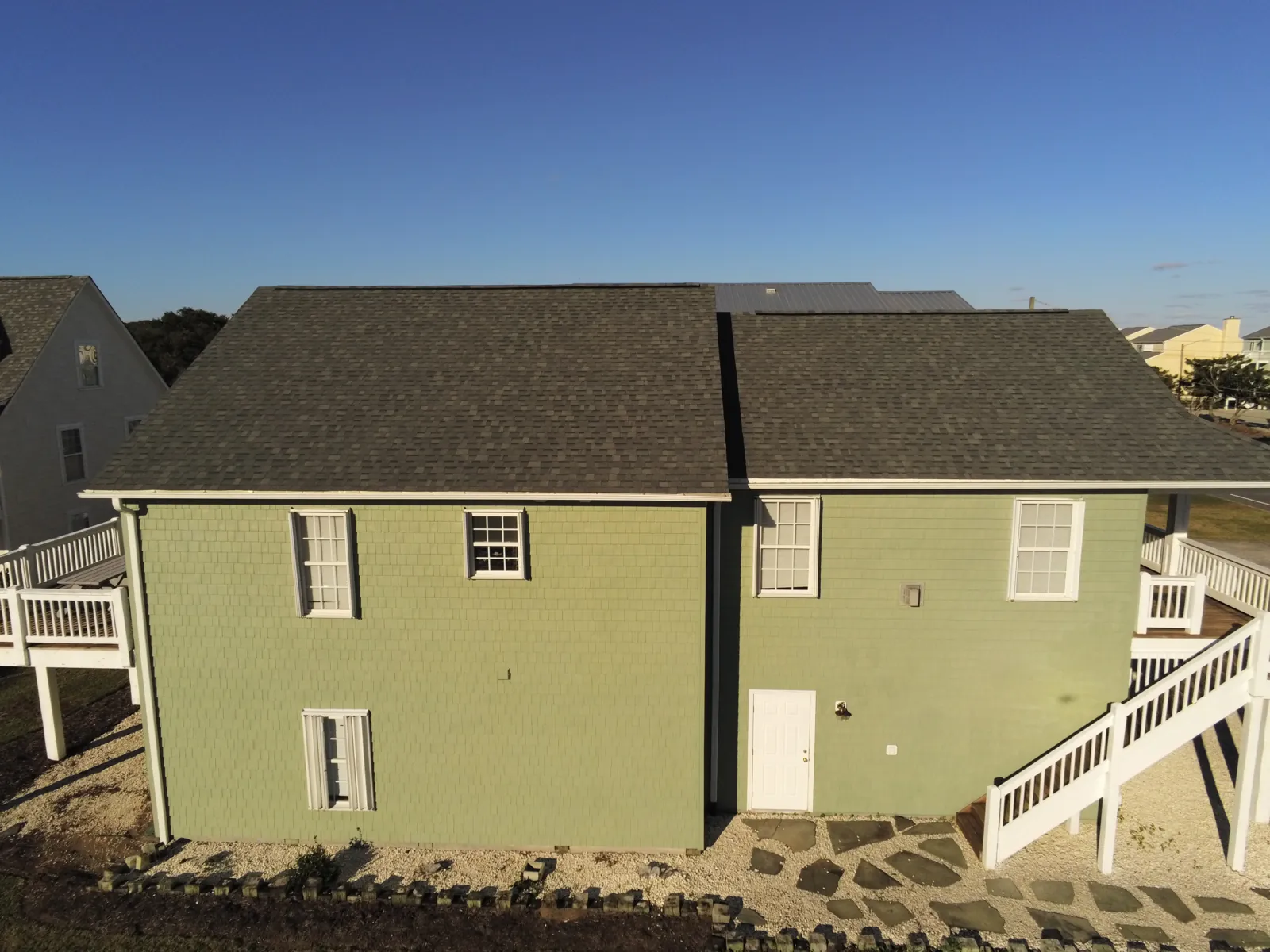
Why you need a certified FORTIFIED installer now
This is the part that catches homeowners off guard in 2026. Since November 1, 2025, only certified FORTIFIED Roofing Contractors recognized by the IBHS may install a roof that qualifies for either NC grant. The earlier grace window closed on May 31, 2026, so there is no workaround left: an uncertified roofer cannot deliver a grant-eligible, designated FORTIFIED roof. The certification exists because the standard lives in the details, and an evaluator can only issue the designation when the work was documented correctly from the first nail.
Patriots’ Roofing is an IBHS FORTIFIED certified installer in North Carolina, so the crew on your roof is the crew the program requires, and the documentation gets done right the first time. That certification sits on top of credentials earned over generations. We are a family-owned company, fifth generation, founded by the O’Brien family in 1836, and we are GAF President’s Club and Master Elite, BBB A+ accredited, with a 4.9 rating on Google. We are proud to serve veterans, first responders, and military families across the coast, and we build to the standard the grant rewards.
Frequently Asked Questions
What is a FORTIFIED roof in simple terms?
A FORTIFIED roof is a roof built to a hurricane-tested standard from the Insurance Institute for Business & Home Safety (IBHS). It adds a sealed roof deck, ring-shank nailing, locked-down edges, and high-wind shingle attachment, and an independent evaluator verifies the work and issues an official FORTIFIED designation that insurers and grant programs recognize.
What is the difference between FORTIFIED Roof, Silver, and Gold?
FORTIFIED Roof strengthens the roof system itself, which is what most reroofs and grant applicants need. FORTIFIED Silver adds protection for attached structures, gable ends, soffits, chimneys, and openings. FORTIFIED Gold adds engineered connections that tie the roof to the walls to the foundation, which is best suited to new builds and major renovations.
Does a FORTIFIED roof lower my insurance?
It often can. Many wind and homeowners policies offer premium credits or discounts for a designated FORTIFIED roof because the IBHS designation is independently verified. The exact credit depends on your carrier and policy, so confirm the available discount with your insurer.
Do I need a certified contractor to install a FORTIFIED roof?
Yes. Since November 1, 2025, only IBHS-certified FORTIFIED Roofing Contractors may install a roof that qualifies for the NC grants, and the earlier grace window closed on May 31, 2026. Patriots’ Roofing is an IBHS FORTIFIED certified installer in North Carolina, so we can build the roof and handle the designation documentation.
Will NC or LA grants pay for a FORTIFIED roof?
They help. North Carolina offers up to $10,000 on the Outer Banks and Barrier Islands (Strengthen Your Roof) and up to $6,000 across the 18 mainland coastal counties (Strengthen Your Coastal Roof), both reimbursement caps for homeowners with an active NCIUA policy. Louisiana’s Fortify Homes program offers up to $10,000 on a lottery basis. Verify current amounts and eligibility on each official program site and apply early while funds remain.
Build a Roof That Earns the FORTIFIED Designation
Let a fifth-generation, family-owned, IBHS FORTIFIED certified crew build the standard the grants reward, and handle the documentation start to finish. The inspection is free.